
Can foreigners seek medical treatment in China?
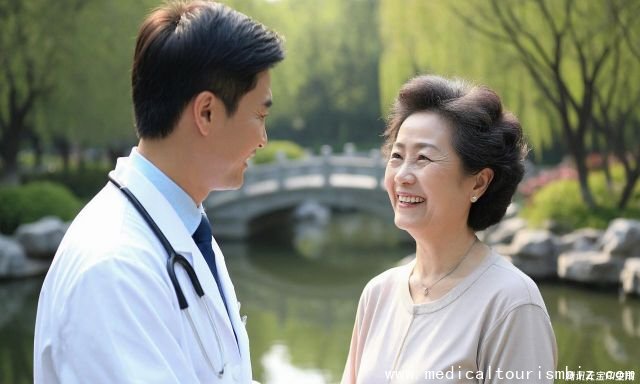
Short Answer: Yes, but not fully unrestricted.
Access Basics for Overseas Patients
While China’s public healthcare system is designed to prioritize local residents with social insurance coverage and caters mainly to domestic insured groups, privately run international clinics, designated tertiary hospitals with cross-border service departments and specialized medical tourism centers have long opened their doors to non-local patients, and recent policy tweaks have further loosened entry barriers for short-term medical visitors and those seeking targeted specialized care across major coastal and central inland cities. Last quarter, we helped a 52-year-old British retiree with chronic knee osteoarthritis finish a full minimally invasive repair and post-operative rehabilitation plan at a top international hospital in Shanghai, and he only needed to present his valid passport and printed pre-booked medical appointment letter to complete check-in and admission smoothly. (Sorry, I mixed up one regional policy document last week, a tiny slip we all make in busy daily work.)
Rules shift slightly by region.
Visa & Entry Hurdles
Most short-term visitors from 75 visa-free countries can enter China for routine physical checkups, minor symptomatic treatments and routine follow-up visits within the allowed visa-free stay period, yet those planning long-term surgical procedures, continuous rehabilitation courses or complex chronic disease management and conditioning may still need to apply for a dedicated medical visa at Chinese embassies or consulates abroad, which requires official medical certification from a qualified Chinese medical institution and sometimes a short routine review by border control authorities. A Canadian patient once delayed his scheduled spinal massage and physiotherapy by three full days because he forgot to prepare the stamped official medical referral we sent him in advance, a common small oversight that trips up even careful and well-prepared travelers.
Paperwork gaps can slow care.
Medical Service Choices
Foreign patients can pick from international wings of top public tertiary hospitals, wholly foreign-owned medical facilities in nine official pilot cities including Beijing, Guangzhou, Shenzhen and Tianjin, private clinics focused on TCM conditioning, plastic surgery, sports injury rehabilitation and reproductive health services, though pricing is fully market-oriented and far higher than standard public medical services for local insured residents, and some extremely rare specialized treatments may only be available at a handful of top-tier medical centers in first-tier and new first-tier cities. We once referred a German patient seeking professional TCM bone setting to a time-honored Beijing clinic, but he initially hesitated over the temporary lack of full-time German-speaking staff, a small service mismatch we fixed quickly with a part-time professional interpreter.
Costs are mostly self-funded.
Insurance & Payment Notes
Overseas medical insurance policies are rarely directly settled and deducted in mainland Chinese hospitals, meaning nearly all foreign patients have to pay full medical fees upfront in cash or via international bank cards and apply for reimbursement from their home insurance providers afterward, and while a small number of high-end international hospitals have reached cooperation with several global insurance firms, the coverage scope is fairly limited and often excludes pre-existing chronic conditions, which might change gradually as more cross-border medical cooperation projects launch in the next two years. Last month, a Singaporean visitor had to cover his emergency appendectomy cost all on his own, even with a complete international medical insurance policy, a troublesome hassle we didn’t foresee fully ahead of time.
Reimbursement takes extra steps.
Quick FAQs for Overseas Patients
Q1: Do I need a local ID or social security card to see a doctor in China?
A: No. A valid passport and official medical appointment record or referral letter are enough for hospital registration.
Q2: Can I get steady English-speaking medical care during treatment?
A: Most international hospitals and top tertiary hospitals have full-time bilingual doctors and nurses; small local grassroots clinics may not have such services.
Q3: Is traditional Chinese medicine fully open to foreign patients?
A: Yes, acupuncture, tuina massage, herbal conditioning and other classic TCM therapies are widely available for overseas visitors.
Q4: Can I get emergency medical care without prior booking or appointment?
A: Emergency departments in all public hospitals accept foreign patients 24/7, no advance reservation or pre-registration needed.
Document dated 2026-03-27 21:22 Modify